Category Archives: Fishing Spots

Eden, New South Wales

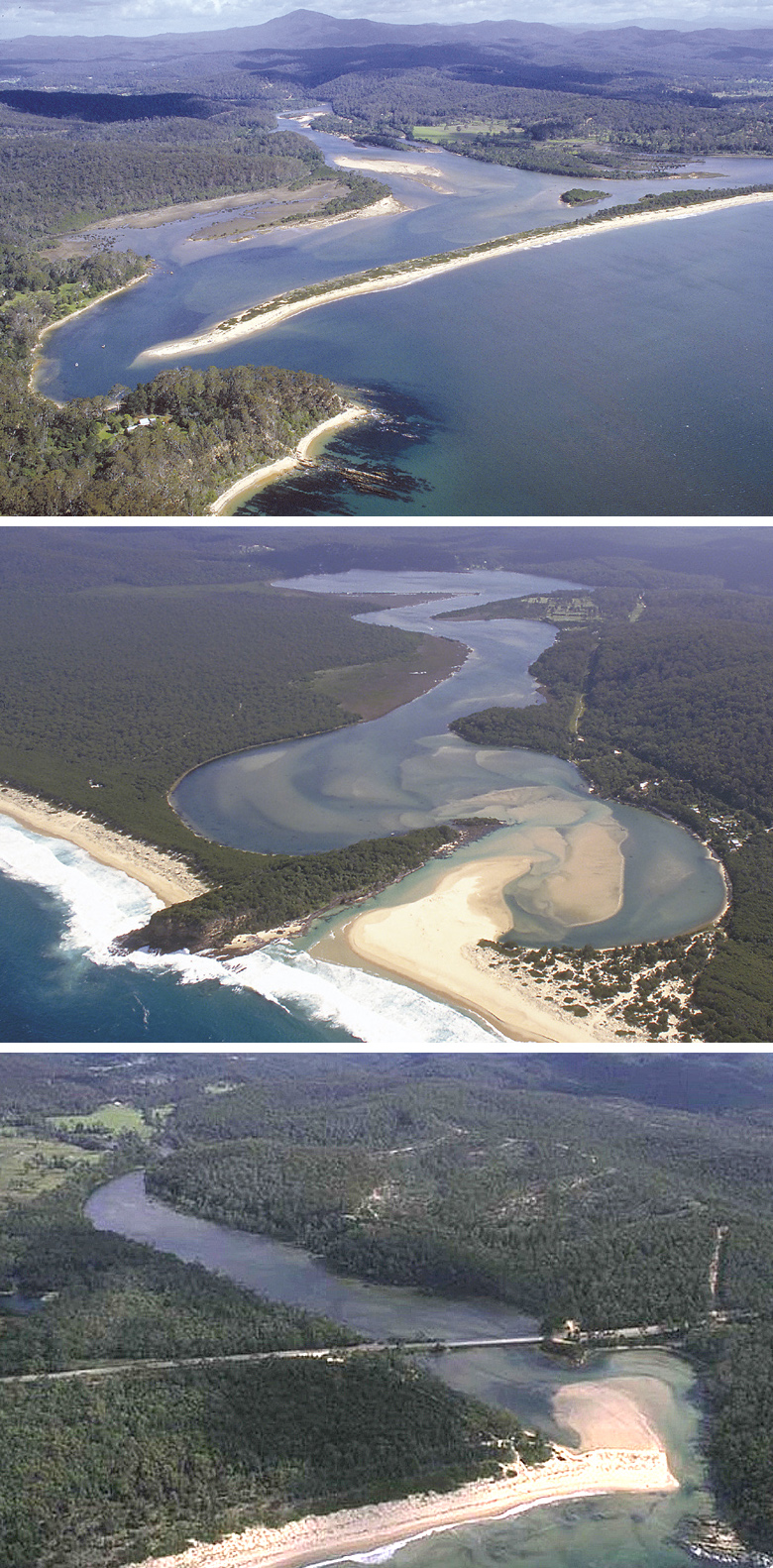
The Towamba (top), Wonboyn (middle) and Nullica (bottom) estuaries, all near Eden. Pictures John Lugg, NSW Govt
The Towamba (left), Wonboyn (middle) and Nullica (right) estuaries, all near Eden. Pictures John Lugg, NSW Govt

Eden has broad fishing opportunities, from blue, black and striped marlin out wide through to great landbased fishing from river, rock and surf.

Schools of salmon, bonito, tailor, mulloway and kingfish are part of what makes Eden great.

Pelagic fish supported a local fish cannery until 1999.

The marlin are within range of trailerboats, and the port provides safe access to the sea.

Marlin are best from December to May as warm currents move nearer shore.

Slow trolling with livebait works for striped and blue marlin in February/March.

Trolling is good from mid-October to June for yellowfin tuna, albacore, dolphin fish and wahoo.

Coastal reef fishing is usually excellent, with large areas of broken ground out from Green Cape, Mowarry Point and Disaster Bay.

Expect to catch snapper, morwong, flathead, leatherjackets, nannygai, flathead, barracouta and sharks.

There is usually somewhere in close to fish out of prevailing winds.

Kingfish are best at Mowarry Point from October to June.

Tailor are caught from March to November.

Out wide, the deeper reefs have ling and hapuka.

There are spots for landbased game fishing.

However, the most visited venue is the deep-water navy wharf, which produces a range of species. It is hugely popular during holiday periods.

The navy wharf has public access only when it is not being used, see this link for closures.

Towamba River enters Twofold Bay through the permanently open but shallow Kiah Inlet, separated from the bay by a thin sand strip.

Wonboyn Lake and its river system to the south has bream, flathead, flounder and more, with salmon, tailor and mulloway at the surf entrance.

The lake has a resort with boating facilities.

Estuary outlets in this area have mulloway during floods, and these fish sometimes visit Twofold Bay in large schools.

Pambula and Merimbula are other great fishing holiday towns located immediately north of Eden.

Eden tides
Eden navy wharf access times
Eden port boater information
Eden region beaches on Beachsafe
Ben Boyd National Park information
NSW fishing regulations
NSW marine parks

Email corrections, additions, pictures or video here.
Torquay Artificial Reef, Victoria

Torquay Artificial Reef

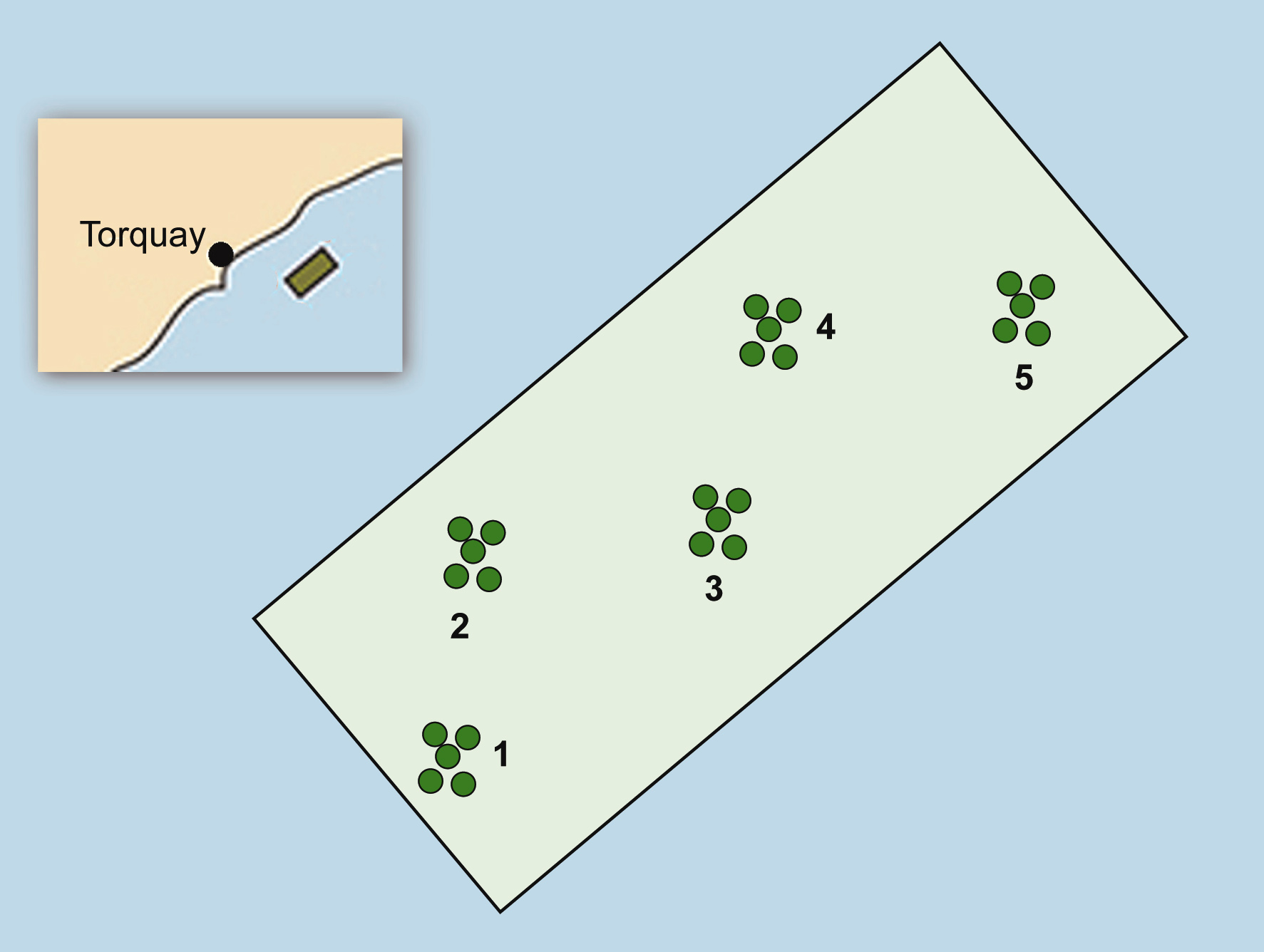
Victoria’s biggest artificial reef was built in June 2015 when 25 large concrete modules were laid in 25m of water just 3km offshore, between breamlea and Torquay.

Each concrete module measured 4m high, and weighed around 20 tonnes. Approximate position shown, accurate marks are listed below.

Torquay Artifical Reef GPS Marks

Cluster 1 – 38 19.828S 144 22.500E
Cluster 2 – 38 19.942S 144 22.600E
Cluster 3 – 38 20.184S 144 22.320E
Cluster 4 – 38 20.065S 144 22.225E

The reef complements others in Victoria including three for snapper anglers on the east side of Port Phillip Bay, as well as reefs for landbased fishos at Frankston, Altona and Portarlington, and shallow reefs in some East Gippsland estuaries..

Torquay weather and tides
VIC fishing regulations
VIC marine parks

Email corrections, additions, pictures or video here.

Mallacoota, Victoria

Mallacoota's artificial reefs
Mallacoota’s artificial reefs

Mallacoota Inlet forms the mouth of the Genoa River and Wallagaraugh Rivers.

Access is via a 23km road off the Princes Highway from Genoa.

The inlet consists of top and bottom lakes, connected by a channel called The Narrows.

The sea entrance is open only intermittently and is dangerous for boaters when it is open.

There is a large sandspit at the sea entrance.

The inlet’s bottom lake has two artificial reef systems (see above).

Each artificial reef system is made of groups of 15 concrete reef modules of different sizes.

The modules have cavities to allow water flow and to provide fish refuges.

Mallacoota produces a range of fish but is perhaps known for its trophy dusky flathead.

The inlet also has yellowfin and black bream, luderick, school and king george whiting and tailor, with estuary perch and bass in the rivers.

Deeper areas of the inlet produce mulloway, small snapper and silver trevally.

Deep areas worth exploring in a boat include Howe Bight, Baker Bight and The Narrows.

Landbased fishos should try Captains Point and Mallacoota Wharf, Slipway Jetty and the Cow Paddock.

The bottom lake is mostly fairly deep, with shallow areas at Goodwin Sands, Robertsons Bank, and around Goat and Horse Islands near the sea entrance.

The main channel is marked by pylons.

For bait, the flats have sandworms and yabbies, with shrimp in weedy areas.

The top lake is shallow but has big flathead and bream, with the chance of estuary perch, luderick and even mulloway.

Cape Horn has the deepest water, at about 12m.

The Genoa River is shallow. It has sandbanks with sandworms. The upstream area has winter bream, luderick, flathead and perch.

Wallagauraugh River is shallow but navigable for several kilometres.

It produces mainly bream and flathead.

Landbased fishos should try the Gypsy Point Wharf.

Surf fishos should try Entrance Beach, which drops into deep water, and Tip Beach (golf club turn-off).

Mallacoota weather and tides
Mallacoota coastline on Beachsafe
VIC fishing regulations
VIC marine parks

Email corrections, additions, pictures or video here.
